
Sweat, Tears and Saltwater
A multidisciplinary project tracing salt’s presence through the body, through food, and across diasporic histories shaped by the Transatlantic Slave Trade.
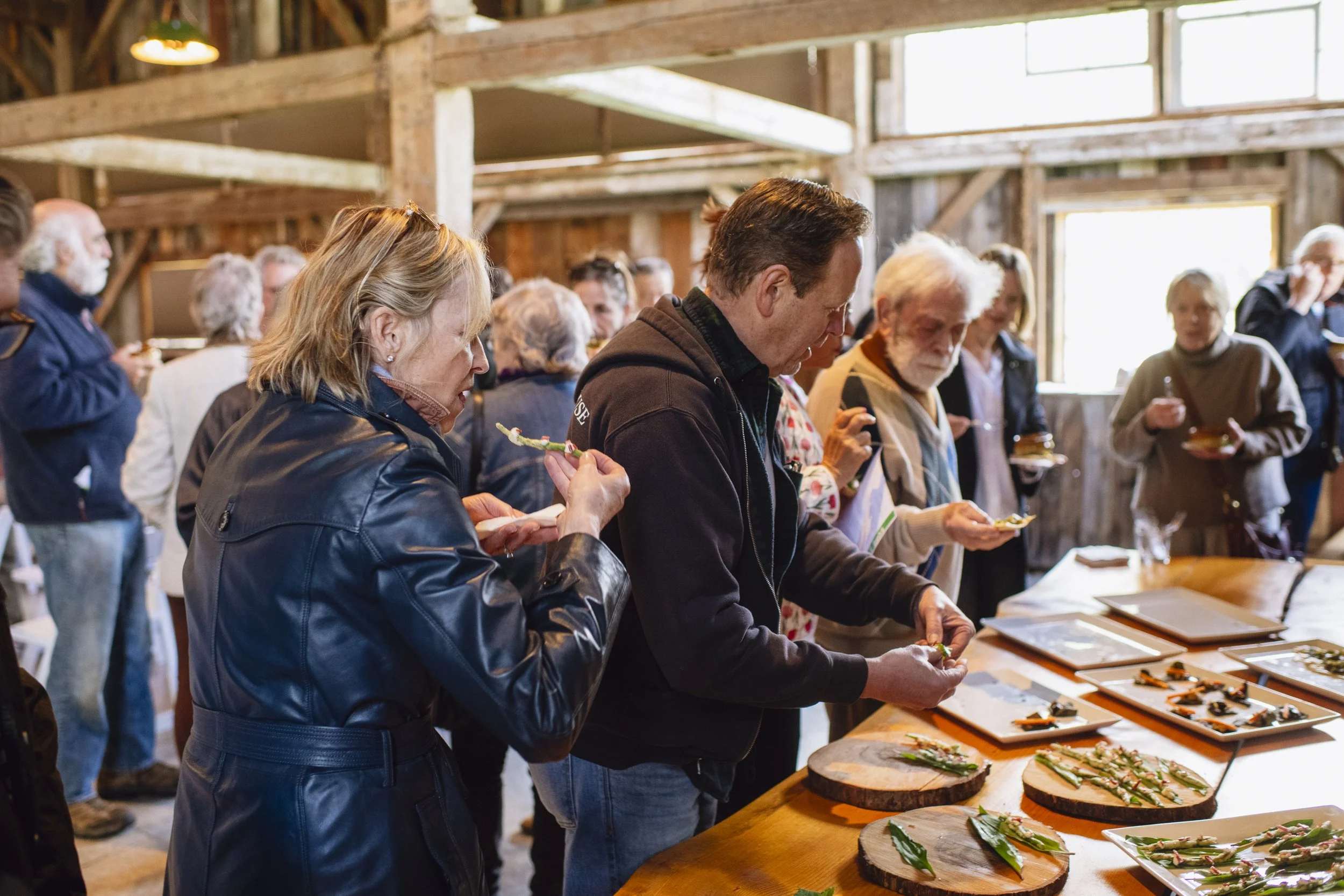
May 2026Marble House Project, VermontResearch, Public Ritual, Participatory PerformancePhoto Credit @gokateshoot
“There must be something strangely sacred in salt. It is in our tears and in the sea.”
- Khalil Gibran
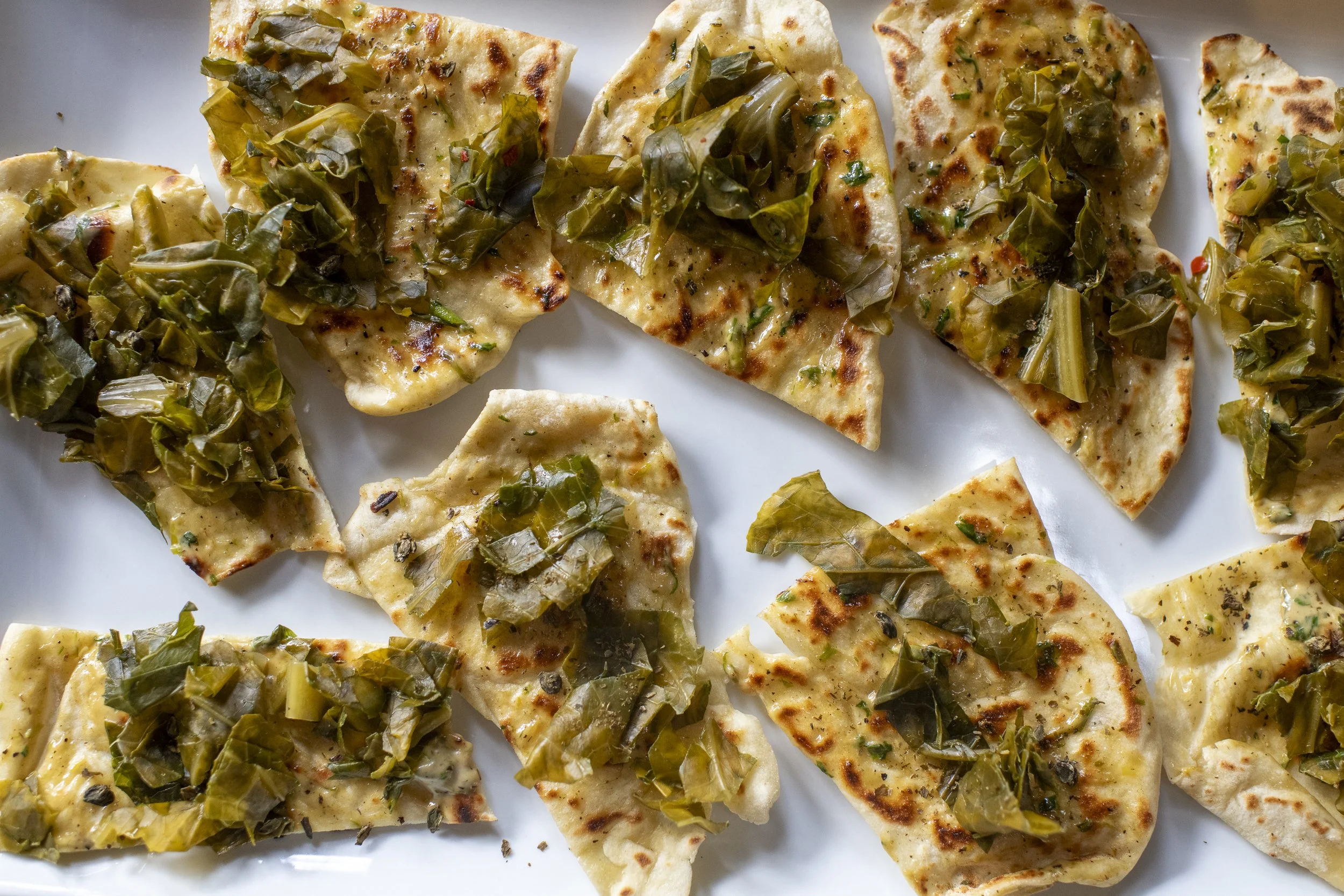
Grilled flatbread, mushroom emulsion, lactofermented collard greens, crispy capersSalt lives in sweat, in tears, and in the saltwater of the sea, marking labour, grief, endurance, and survival, while also gesturing toward dissolution, return, and transformation. Through culinary techniques such as fermentation, curing, and salt baking, the project examines how salt preserves, permeates, and alters, guiding processes of change while also fixing bodies and histories in place.
The work is in conversation with the Flying Africans, a Black diasporic legend in which enslaved people regain their ability to fly and escape back to Africa. Rooted in the 1803 mass suicide of Igbo captives at Igbo Landing in Georgia, it symbolises resistance, liberation, and spiritual return to Africa. In the legend, the consumption of salt binds the body, grounding you to the “New World” and preventing flight and return. The Flying Africans legend is referenced by writers such as Zora Neale Hurston, Toni Morrison and Toni Cade Bambara, and is seen across the diaspora from Jamaica to the Gullah Geechee Nation.
As a descendent of the Salt Eaters, (those unable to sprout wings and fly to freedom), I am using salt to explore ancestral and embodied trauma.
If we cannot refuse what has already entered the body—history, labour, grief—how do we work through it?
To eat salt in this context is to make a choice: you are choosing to stay, to witness, and to transmute your grief. The myth imagines liberation as departure and return. This project imagines liberation as metabolisation and integration. It is not possible to escape the condition, so we therefore must process it.
At its core, the project treats the kitchen as a site of inquiry. Through techniques such as fermentation, curing, brining, and salt baking, I examine how salt behaves—how it preserves, permeates, transforms, and sometimes constrains. These processes are not only technical but conceptual: each method reveals a different relationship between time, the body, and change. Fermentation holds memory and duration; curing stabilises and extends; brining infiltrates; encasement seals and transforms. Together, they form a language through which salt can be understood as both a material and a condition.
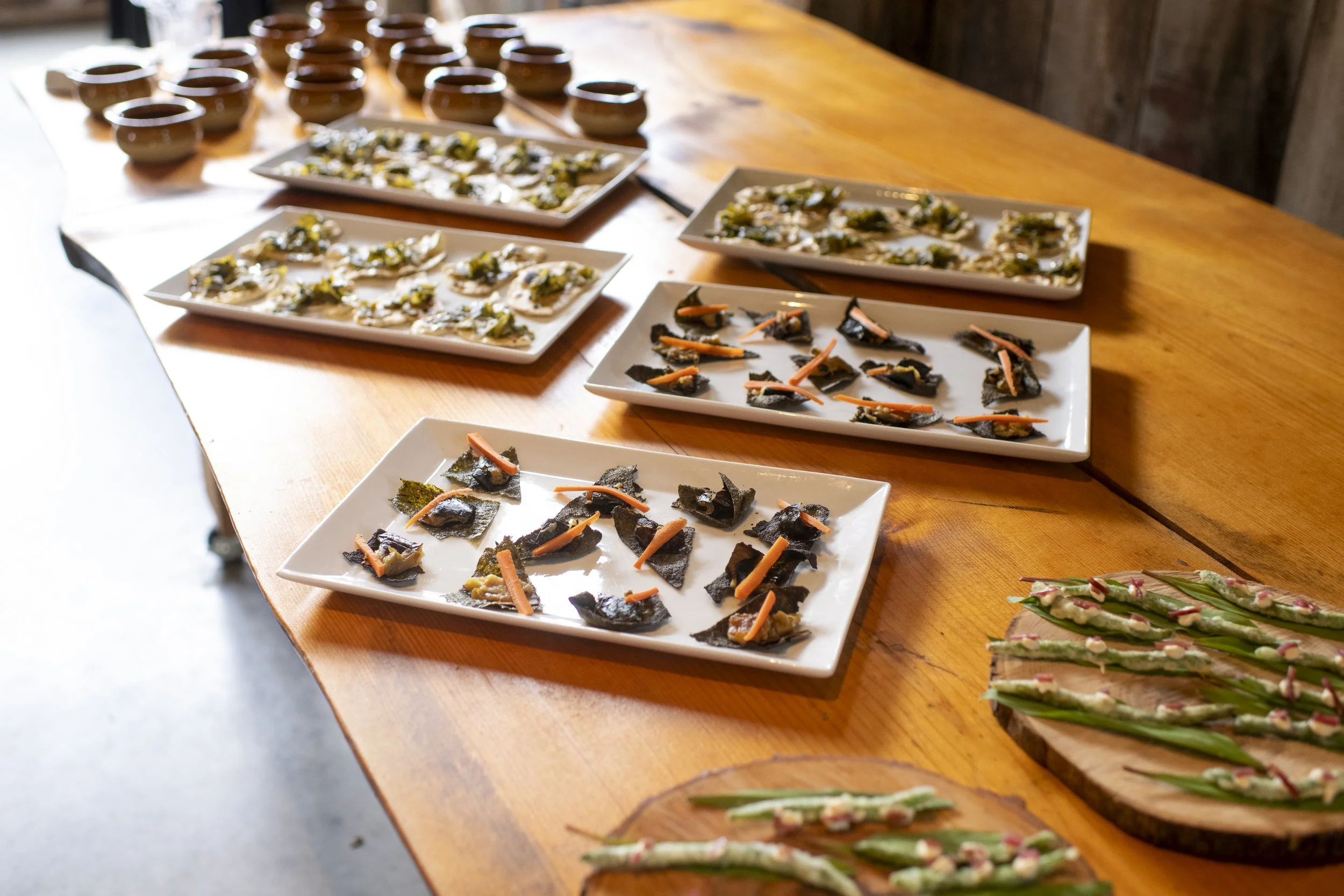
Charred aubergine, escovitch pickle, seaweed
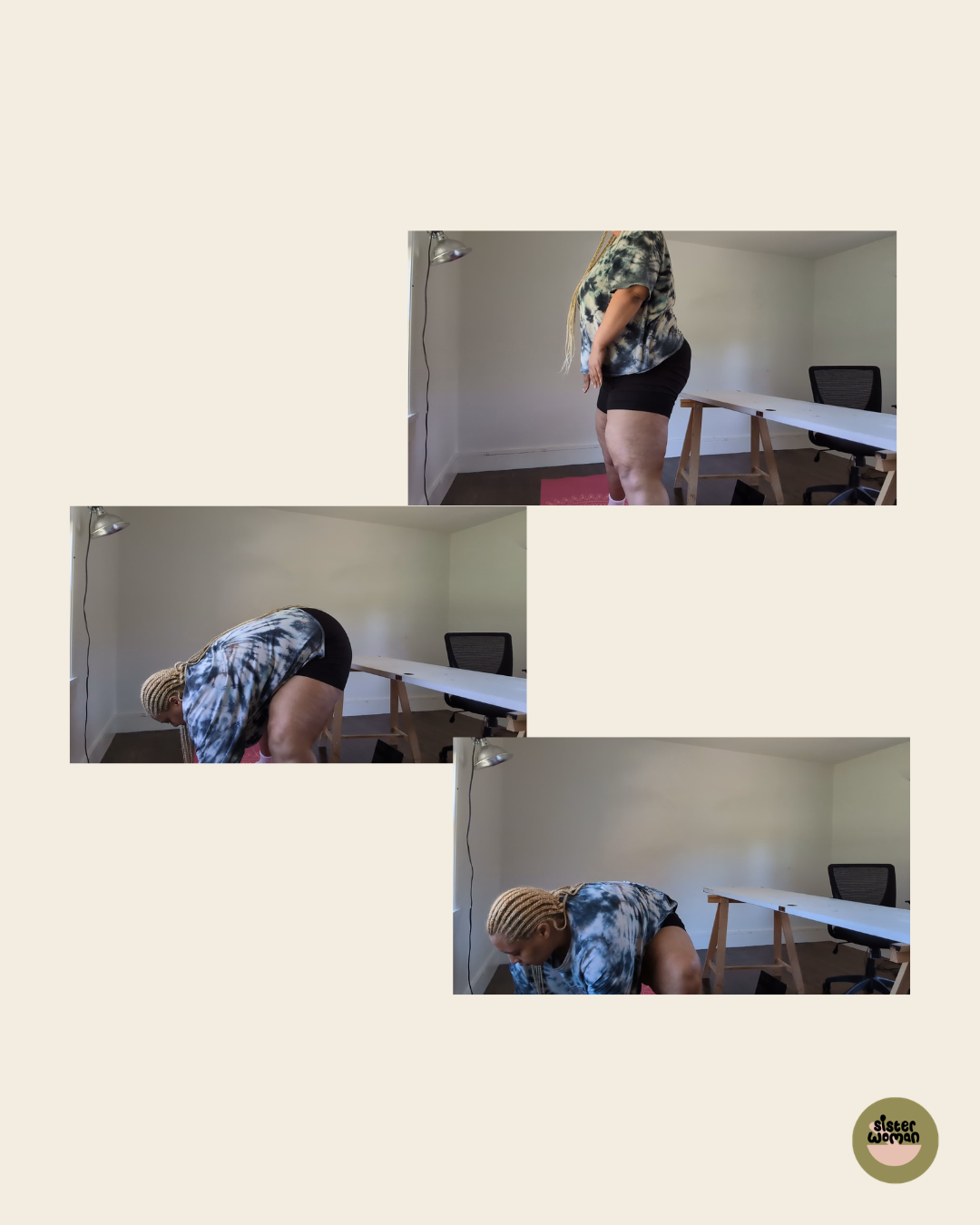
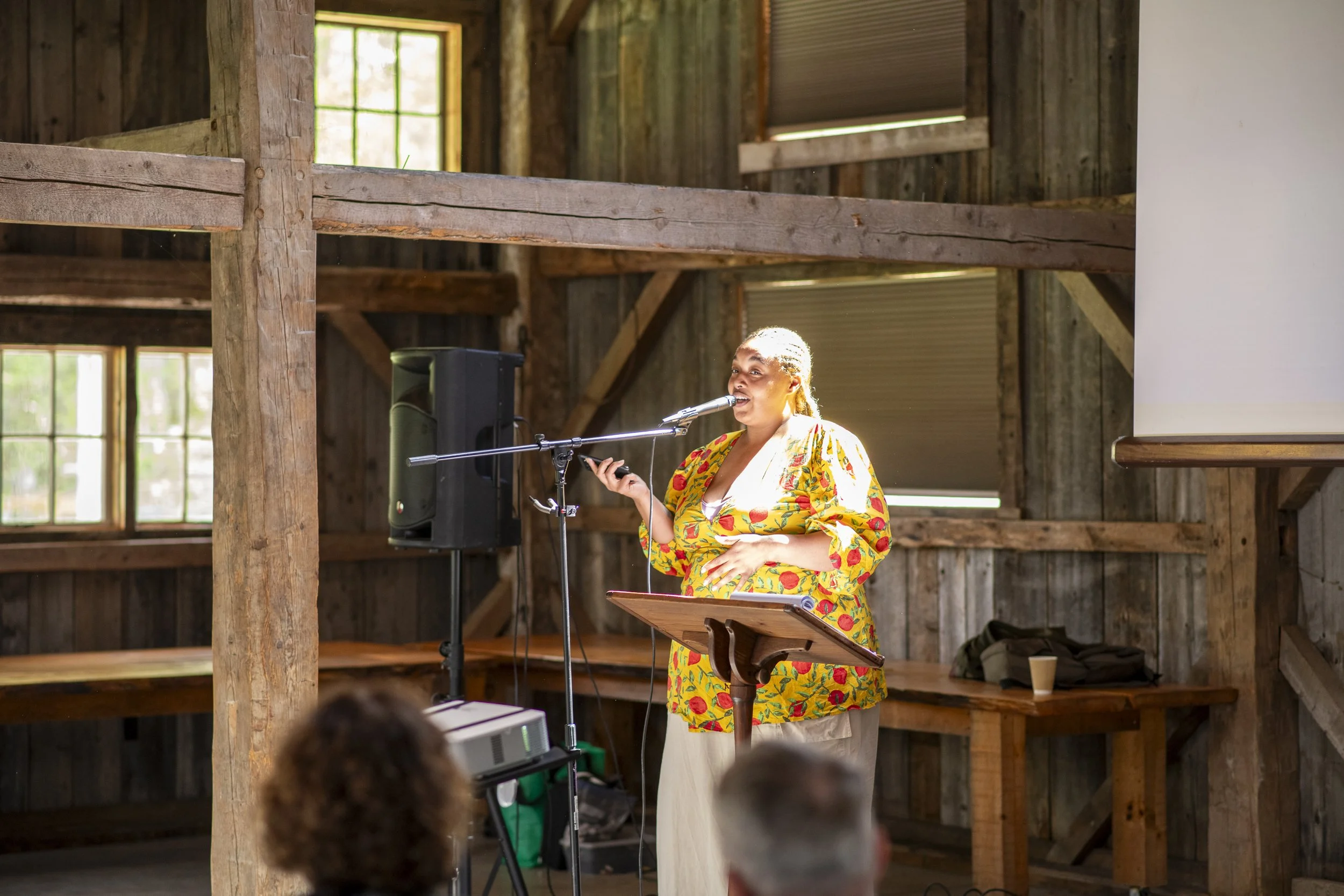
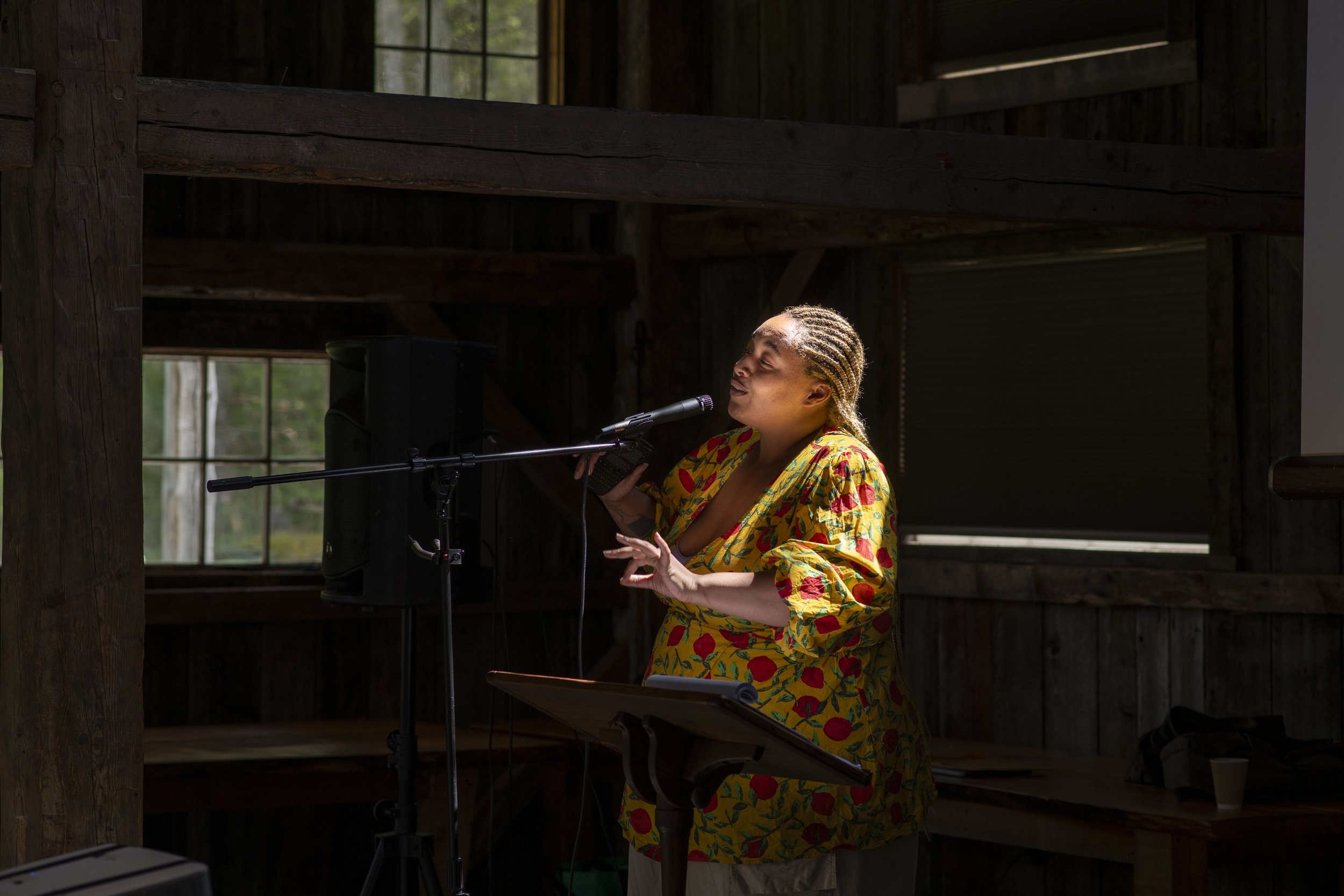
The somatic research led to the development of a participatory vocal ritual, designed to stimulate the parasympathetic nervous system before eating, which supports “resting and digesting.”
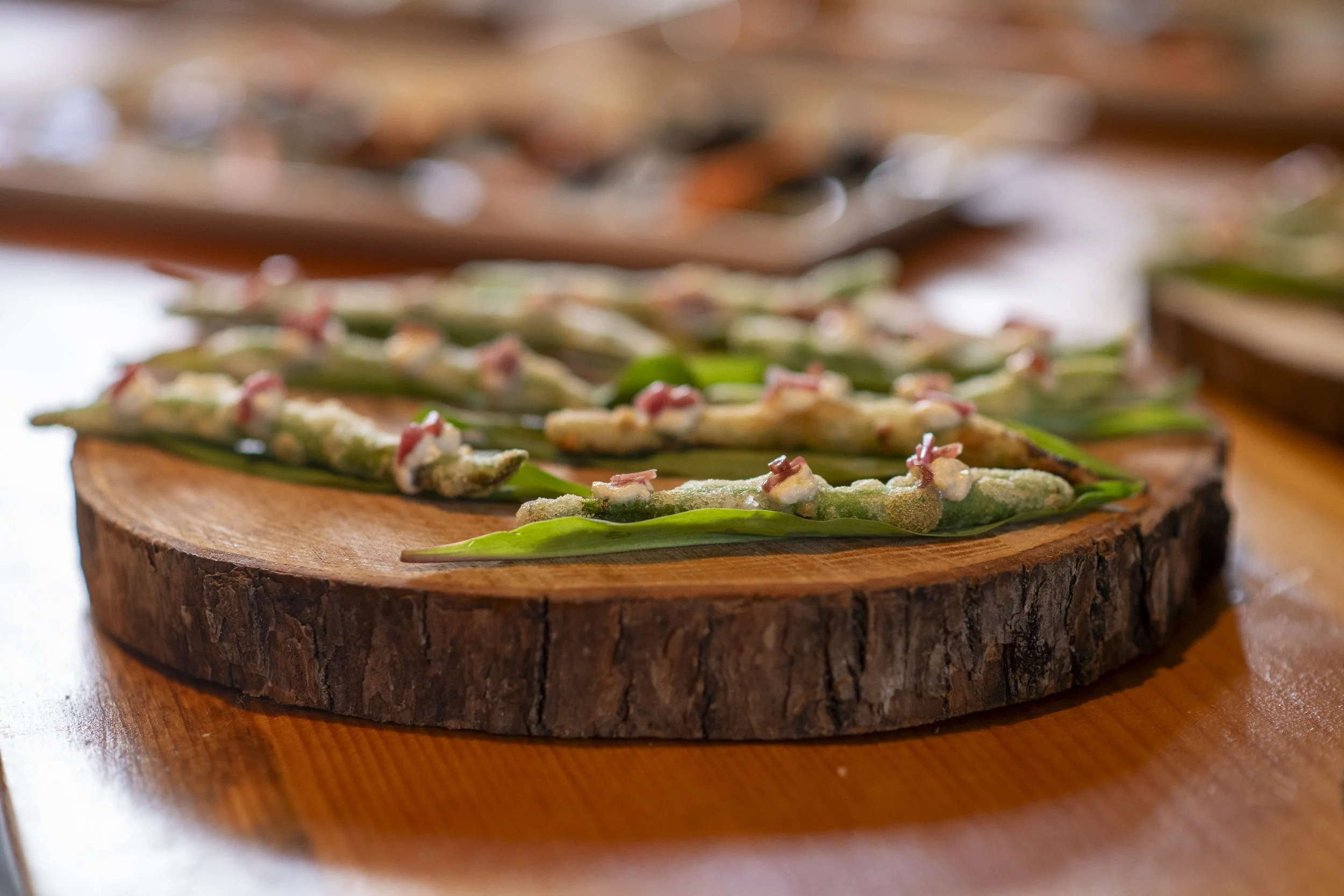
Preserved green bean tempura, whipped brined tofu, pickled ramps
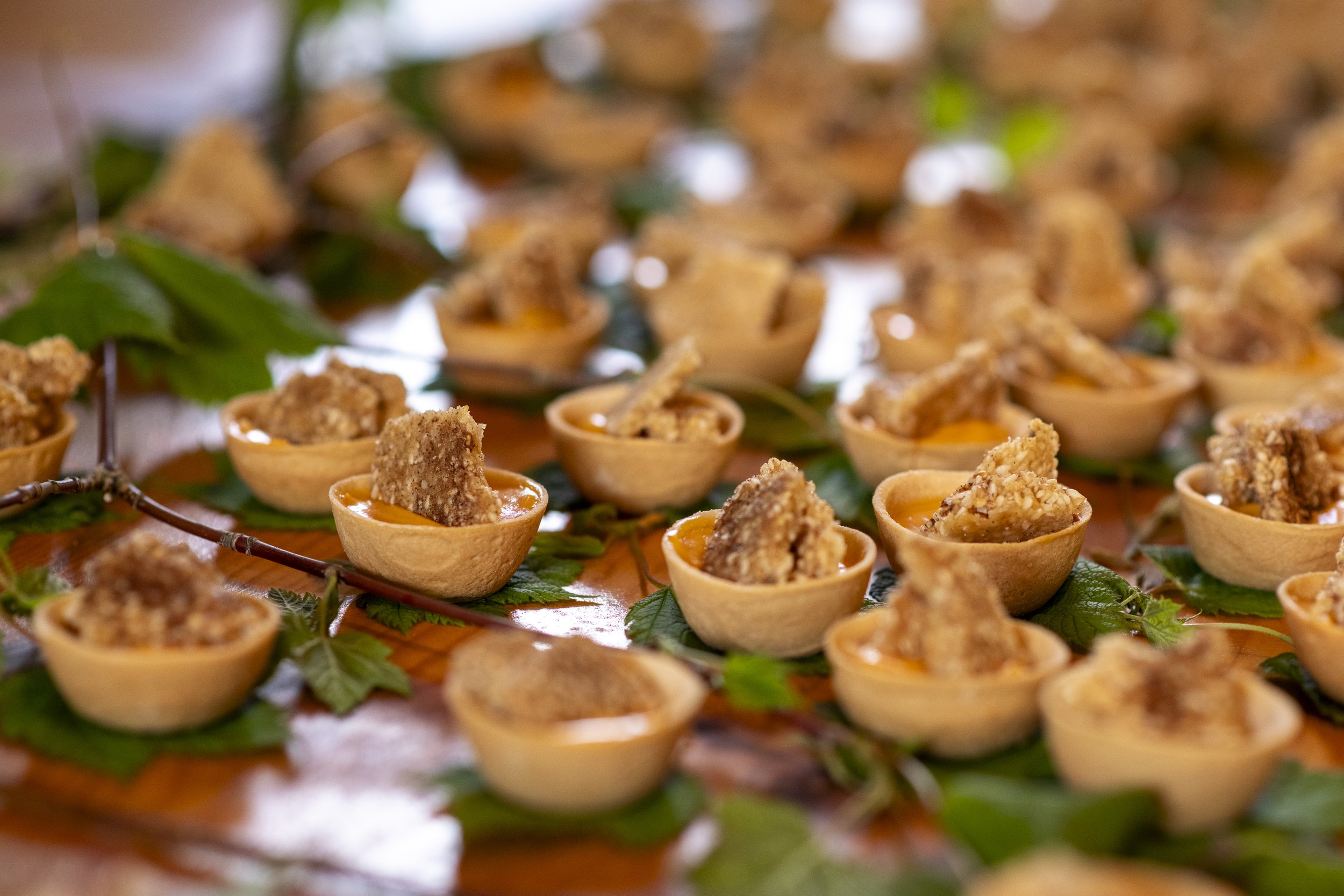
Sweet potato amazake tart, salted maple sesame brittle
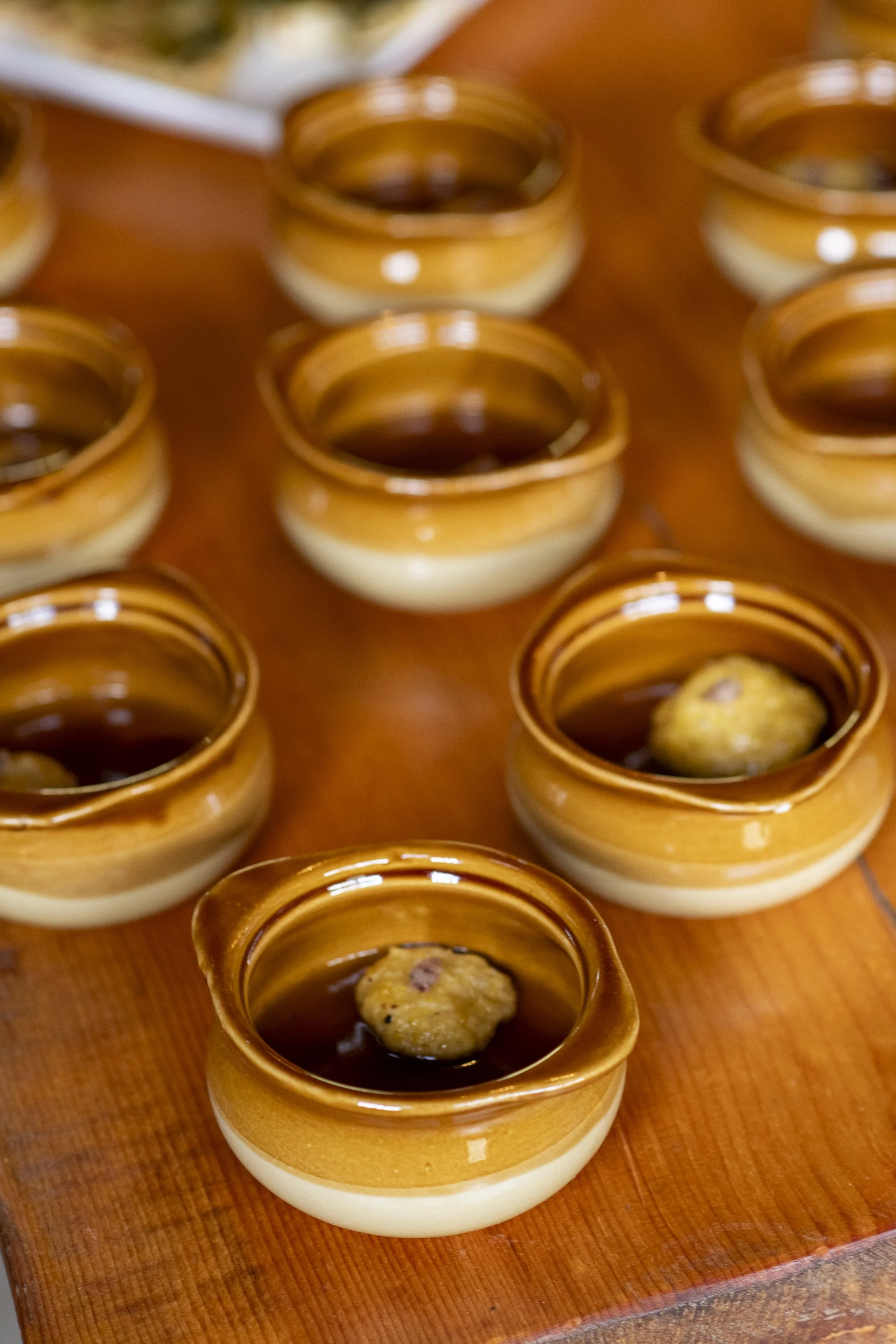
Cornmeal dumpling, potlikker broth, black-eyed pea miso, hot pepper vinegar
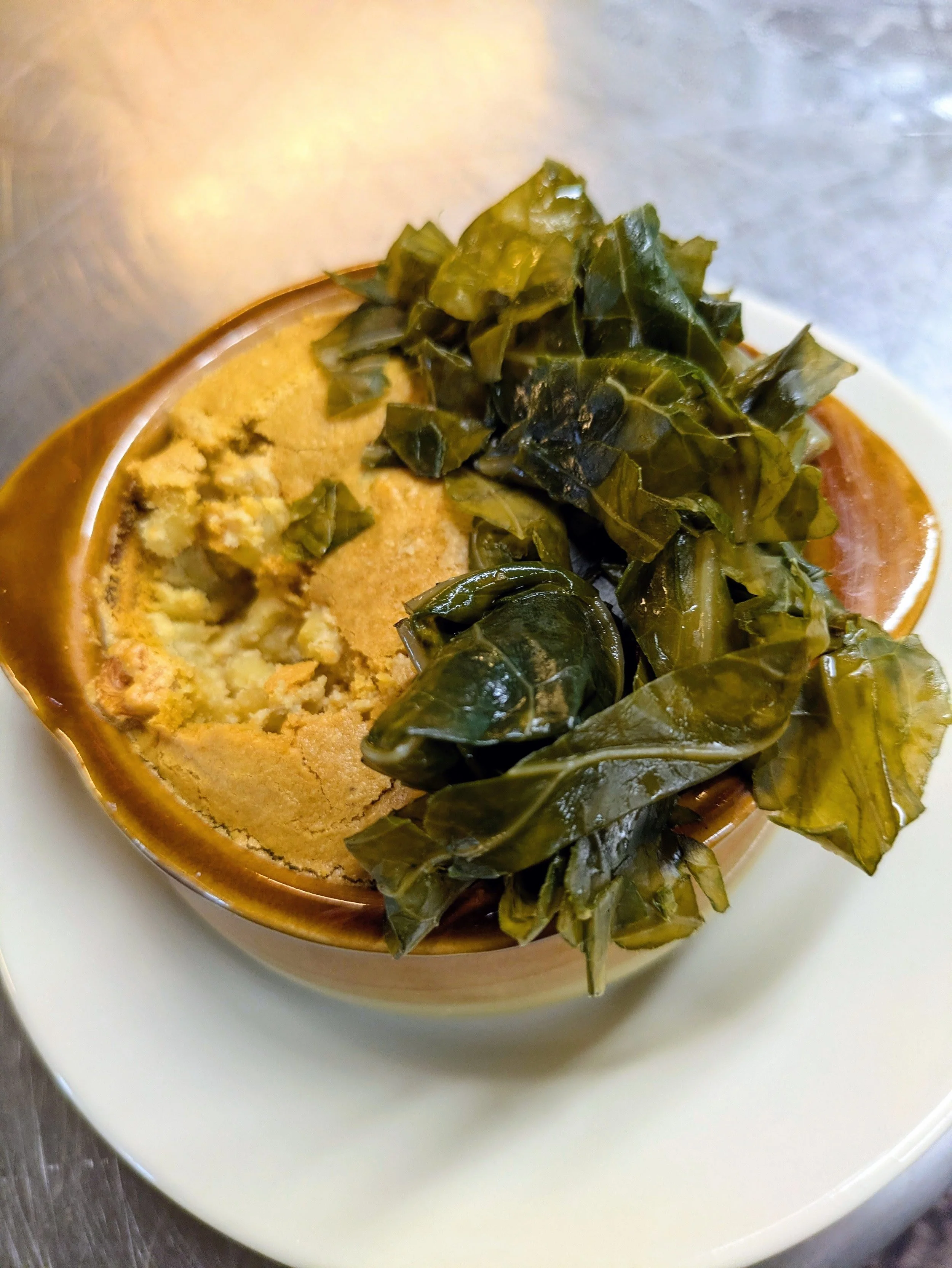
Fermented cashew mac, lactofermented collard greens